01
Emergency Call
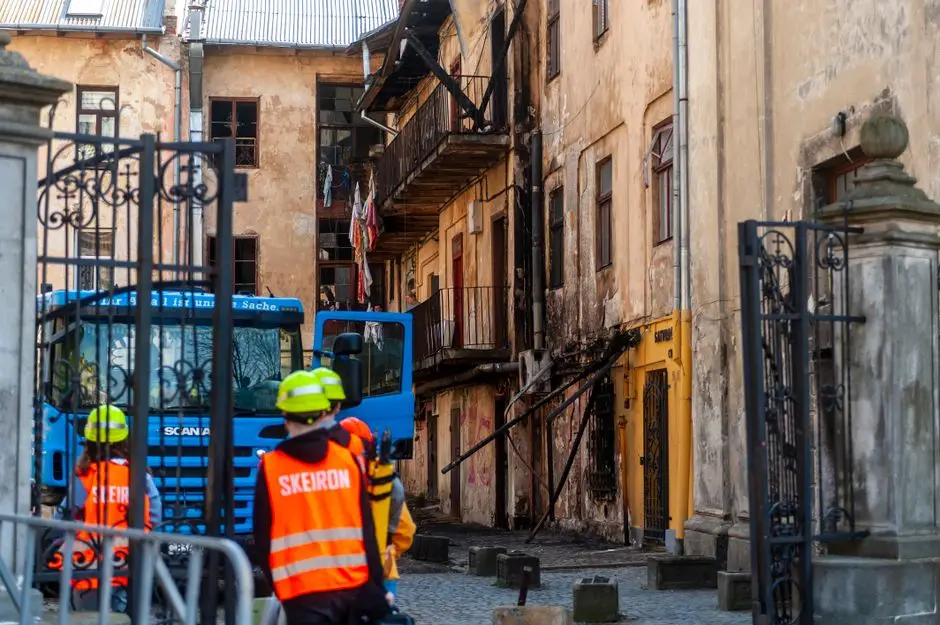
You call and describe the fire, the rooms affected, and whether the power is off. We ask about pets, medications, and any melted wiring so the crew arrives with the right gear. A project manager is assigned before we hang up, and you get a call-back with an arrival window.
02
Board-Up and Safety
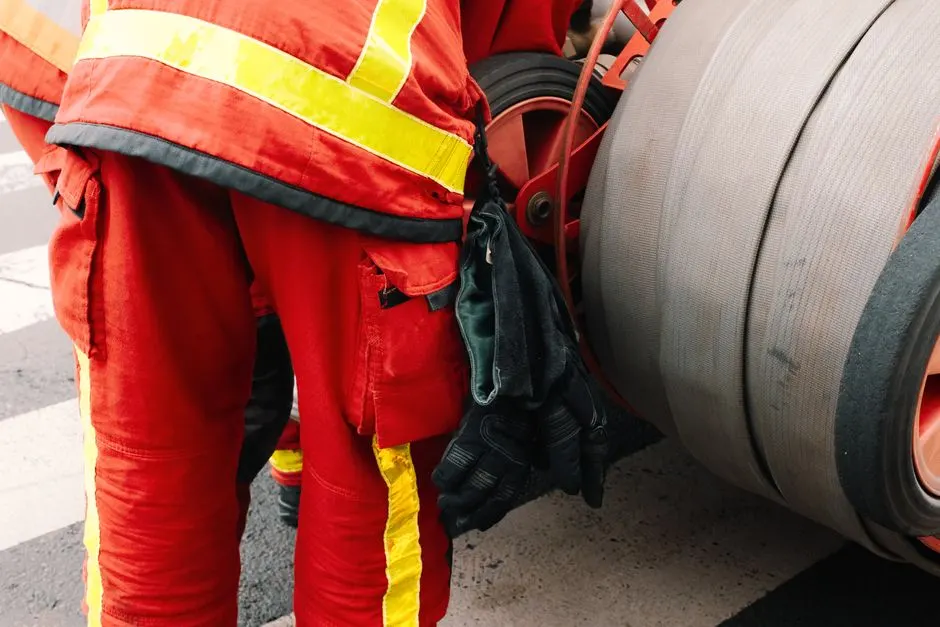
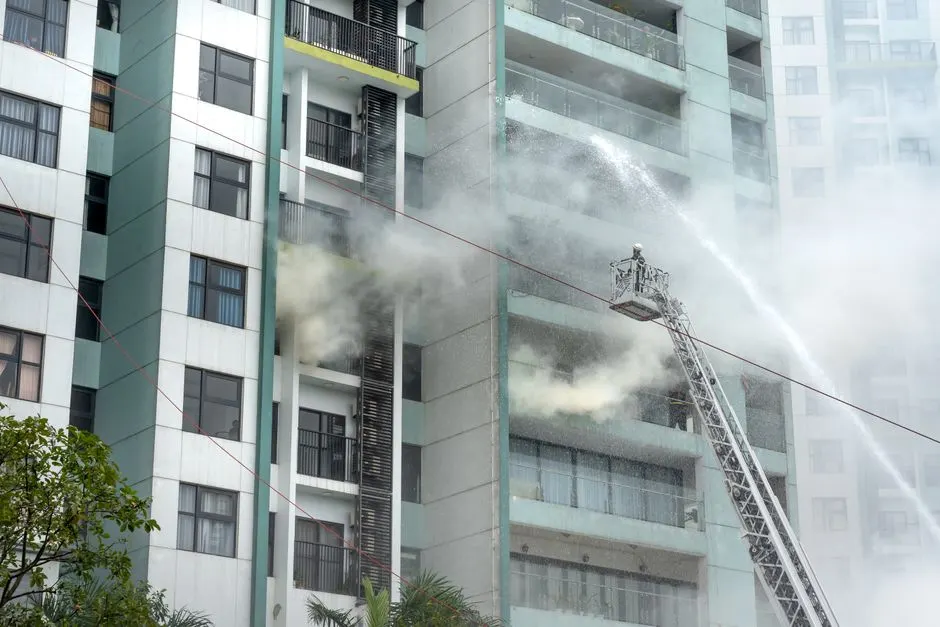
First on-site job is securing the structure. We board windows and doors, tarp fire-damaged roofing, shut off compromised circuits, and post the site. If the fire department left water behind, we start extraction immediately because water damage from firefighting causes mold growth after fire within 24 to 48 hours.
03
Inspection and Scope
We walk the property with thermal imaging cameras and moisture meters, mapping char, smoke travel, and hidden moisture. You get a room-by-room scope with photos. This is the document your adjuster works from, and it is why we ask you to hold off on throwing anything away until we have logged it.
04
Soot and Smoke Removal
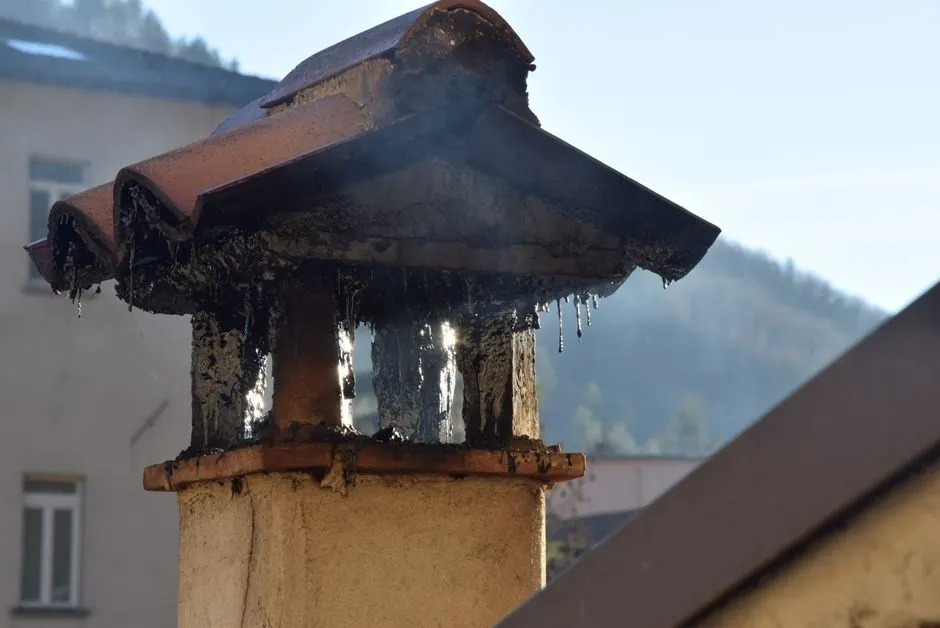
Crews HEPA-vacuum ceilings, walls, and framing, then dry-sponge and wet-clean surfaces with the right agent for the residue type. Charred drywall and insulation come out with drywall saws and pry bars. Air scrubbers run continuously, and charcoal filters go into the HVAC returns to stop recirculation.
05
Deodorize and Rebuild
We seal salvageable framing with smoke sealant and encapsulant, then run hydroxyl or thermal fogging cycles until odor tests clean. Rebuild follows: new drywall, insulation, paint, and trim. Final walkthrough includes a moisture check and a written odor clearance before we pull the equipment.